
Get Septic System Relocation in Menlo Park, CA
Septic system relocation services help Menlo Park property owners move or upgrade their septic systems to address space constraints, drainage issues, or property development needs.
Property owners in Menlo Park, CA, considering a property expansion, renovation, or new construction may find that relocating a septic system becomes an essential part of their planning process. Proper placement of the septic system can influence the overall layout, accessibility, and functionality of a property, making it important to explore options that align with local regulations and site conditions. By comparing services from experienced local contractors, property owners can better understand the practical considerations involved and identify solutions that support their project goals.
For those seeking to ensure their septic system is positioned appropriately for future development or existing land features, connecting with trusted service providers in the area can provide valuable insights. Local contractors bring familiarity with regional soil conditions, permitting requirements, and property-specific factors that can impact the relocation process. Continuing to explore available options helps property owners make informed decisions about how best to approach their septic system project in Menlo Park and nearby communities.
- Septic System Relocation - needed when property boundaries change or expansion requires moving an existing septic system.
- Property Development - required during new construction or land development projects in neighborhoods around Menlo Park, CA.
- Drainage Improvement - necessary when installing new landscaping or altering land contours that impact existing septic systems.
- System Replacement - needed if a septic system has failed or is no longer functioning properly in residential or commercial properties.
- Environmental Compliance - required when local regulations mandate septic system adjustments due to site modifications or updates.
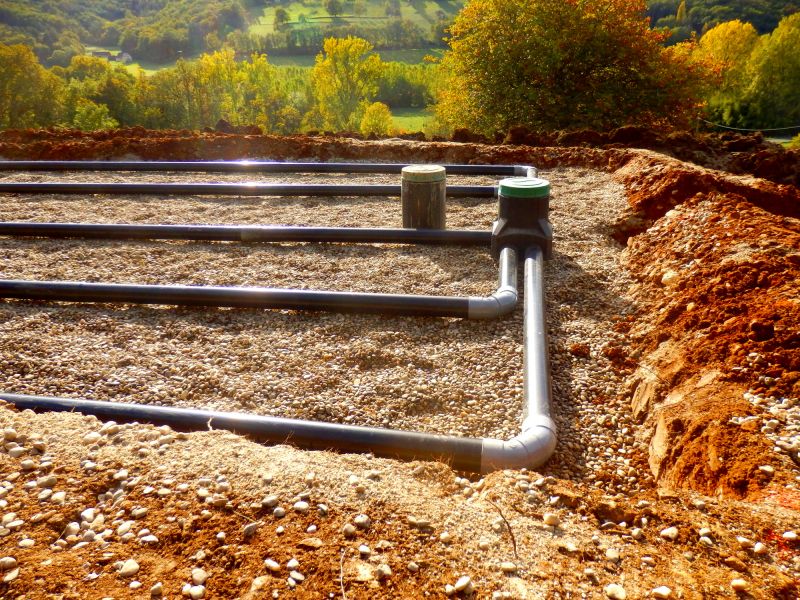
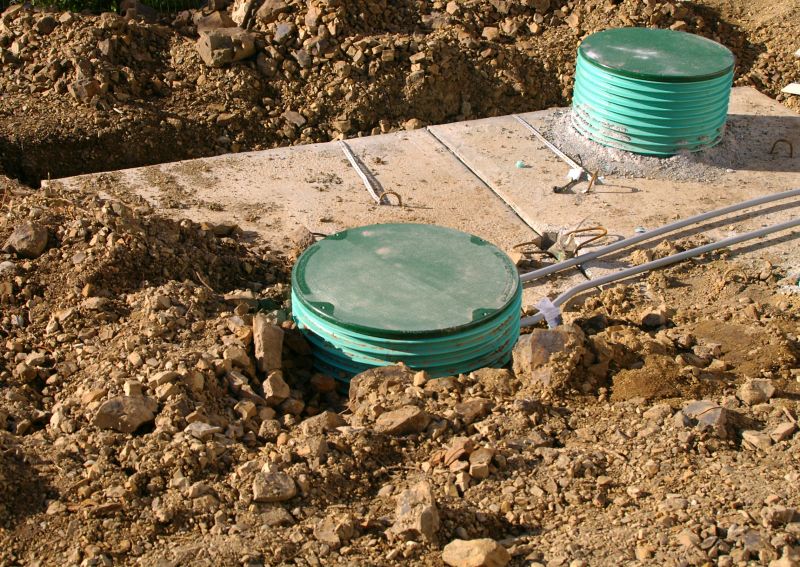
Septic system relocation services involve the process of moving an existing septic system to a different location on a property. This service is often necessary when a homeowner plans to build a new structure, expand an existing one, or make significant changes to the landscape that interfere with the current septic placement. The work typically includes assessing the current system, designing a new system layout, excavating to access the existing components, and installing the septic system in the new designated area. Skilled contractors ensure that the relocation meets local regulations and functions properly in its new position.
Relocating a septic system can help resolve various problems associated with its original placement. Over time, septic systems may become problematic if they are located too close to wells, property lines, or underground utilities. Shifting the system can prevent contamination risks, improve drainage, and address issues caused by poor soil conditions or system failure. Additionally, if a property is being renovated or reconfigured, moving the septic system ensures that it remains functional and compliant with health and safety standards, avoiding costly repairs or legal complications.
This service is commonly used on residential properties that are undergoing significant changes. Homeowners planning to build additions, guesthouses, or new driveways may need to relocate their septic system to accommodate these developments. It is also frequently needed in properties where the existing system is outdated, malfunctioning, or no longer suitable due to changes in property use or zoning requirements. Typically, rural or semi-rural homes with on-site septic systems, as well as some suburban properties, find this service essential when their current system no longer fits the property’s evolving needs.
Property owners should consider septic system relocation when experiencing persistent drainage problems, foul odors, or if the current system is near underground utilities or water sources. It can also be necessary when new landscaping or construction plans interfere with the existing septic placement. Local service providers can evaluate the property, recommend the best course of action, and handle the entire relocation process. Contacting experienced contractors ensures the work is done correctly, helping to maintain proper sanitation and prevent future issues related to septic system placement.
The overview below groups typical Septic System Relocation projects into broad ranges so you can see how smaller, mid-sized, and larger jobs often compare in Menlo Park, CA.
In many markets, a large share of routine jobs stays in the lower and middle ranges, while only a smaller percentage of projects moves into the highest bands when the work is more complex or site conditions are harder than average.
Smaller Repairs - Typically, local contractors charge between $250 and $600 for minor septic system relocations or adjustments. Many routine jobs fall within this range, especially for straightforward tasks that require minimal excavation or parts replacement.
Moderate Relocations - For more involved projects, such as repositioning a septic tank or rerouting pipes, costs usually range from $1,000 to $3,000. These projects often involve moderate excavation and site preparation, which most local pros handle regularly.
Full System Replacements - Complete septic system relocations can cost between $3,500 and $7,000, depending on site complexity and system size. Larger, more complex projects may push beyond this range, but many local contractors can manage standard replacements within this band.
Complex or Custom Jobs - Highly customized or challenging relocations, such as those involving difficult terrain or additional permits, can reach $8,000 or more. These projects are less common and typically require specialized expertise from experienced local service providers.
Actual totals will depend on details like access to the work area, the scope of the project, and the materials selected, so use these as general starting points rather than exact figures.
Drainfield Replacement - this project involves excavation and soil assessment skills similar to those needed for septic system relocation, with a focus on proper site planning and soil compatibility.
Septic Tank Installation - installing new septic tanks requires knowledge of underground utilities, site prep, and precise placement, comparable to relocating existing systems.
Underground Utility Installation - working with underground pipes and utilities shares planning, excavation, and safety considerations common to septic system moves.
Drainage System Installation - designing and installing drainage solutions involves site assessment and soil management skills akin to septic system relocation projects.
Soil Testing and Assessment - conducting soil tests to determine suitability for septic systems parallels the soil evaluation process during system relocation.
Land Clearing and Site Preparation - clearing land and preparing sites for construction or installation tasks involve similar excavation and planning techniques used in septic relocations.
When evaluating service providers for septic system relocation, it’s important to consider their experience with similar projects in the Menlo Park area. A contractor who has handled comparable jobs is more likely to understand the specific challenges of local soil conditions, regulations, and site constraints. Asking potential contractors about their past work on septic relocations can provide insight into their familiarity with the process and their ability to manage projects efficiently and effectively.
Clear, written expectations are essential to ensure that both parties are aligned on the scope of work, responsibilities, and deliverables. Homeowners should seek service providers who can provide detailed proposals or written estimates that outline the work to be performed, materials to be used, and any other relevant terms. Having this documentation helps prevent misunderstandings and provides a reference point throughout the project, making it easier to track progress and address any issues that may arise.
Reputable references and strong communication are key indicators of a dependable contractor. Homeowners are encouraged to ask prospective service providers for references from previous clients, especially those who have had similar septic relocation projects. Listening to feedback from past customers can reveal the contractor’s reliability, quality of work, and professionalism. Additionally, good communication-prompt responses, clarity in explanations, and transparency-can make the project smoother and more predictable. Connecting with trusted local service providers ensures that the homeowner can find experienced, reliable professionals capable of managing the complexities of septic system relocation.
Property owners in Menlo Park, CA use Septic System Relocation services for practical projects around their homes and businesses. This guide focuses on everyday jobs and straightforward project options.
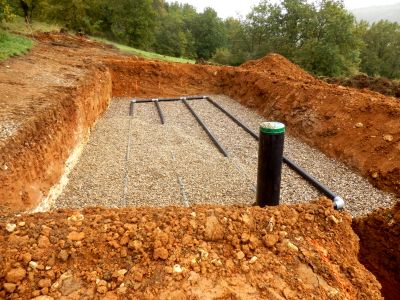
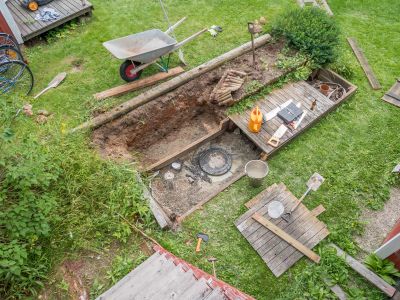
Septic system relocation services are often needed in Menlo Park, CA, when property owners are planning to build new structures, expand existing ones, or make significant changes to their property layout. In some cases, the original septic system may no longer be in the optimal location, or it might be facing issues that require moving it to a different spot to ensure proper function and compliance with local regulations. Local contractors can assist with assessing the site, planning the move, and handling all the necessary work to ensure the system is properly installed in its new location.
Property owners might also seek septic system relocation if their current system is situated too close to wells, property lines, or other structures, which can create health or safety concerns. Changes in property boundaries or zoning requirements can also prompt the need for a move. Experienced service providers in Menlo Park can evaluate these situations and perform the necessary adjustments to keep the septic system functioning effectively while adhering to local standards.
What is involved in relocating a septic system? Septic system relocation typically includes excavating the existing system, designing a new installation site, and installing the components in the new location with proper connections and testing.
Why might someone need to move a septic system? Reasons for relocating a septic system can include property development, changes in land use, or the need to improve system performance and compliance with local regulations.
How do local contractors ensure proper septic system relocation? Local service providers follow industry standards and local codes to properly plan, install, and test the new septic system during relocation projects.
Are there specific considerations for septic system relocation in Menlo Park, CA? Yes, local contractors are familiar with Menlo Park’s regulations and soil conditions, which influence the design and installation process for septic system relocations.
What should be checked before choosing a septic system relocation service? It’s important to verify that the service provider has experience with septic relocations, understands local regulations, and can provide references or examples of similar projects.
Septic System Relocation for Property Expansion - Property owners planning to add new structures or expand existing ones can explore septic relocation options to ensure proper waste management.
Preparing Land for Construction Projects - When developing a new backyard or driveway, property owners may need to move their septic system to meet building codes and site plans.
Addressing Drainage or Soil Issues - If drainage problems or soil conditions affect the current septic system, relocating it can improve system performance and prevent future issues.
Updating Aging Septic Systems - Homeowners with outdated or failing septic systems might consider relocation to meet modern standards and accommodate changes in property use.
If you are thinking about Septic System Relocation for a property in Menlo Park, CA, this guide is meant to help you understand the work, the typical project types, and how different options might fit your plans.
When you are ready, you can use the quote form on this page to share a few details about your project. From there, local pros can review the basics and respond with options that match what you have in mind.